 The Importance of Auto Glass Repair in Vancouver, BC: A Guide to Finding the Right Shop
As a resident of Vancouver, BC, you understand the importance of maintaining your vehicle in top condition. From navigating the city’s busy streets to exploring the surrounding mountains and forests, your car is an essential part of your daily life. However, accidents can happen, and a cracked or shattered windshield can leave you feeling stranded and vulnerable. That’s where a reliable auto glass shop comes in. In this article, we’ll explore the importance of auto glass repair in Vancouver, BC, and provide you with a comprehensive guide to finding the right shop for your needs.
1. The Risks of Driving with a Damaged Windshield
Driving with a damaged windshield can be hazardous to your safety and the safety of others on the road. A cracked or shattered windshield can compromise the structural integrity of your vehicle, making it more susceptible to rollover accidents and other types of crashes. Moreover, a damaged windshield can also obstruct your view, making it difficult to navigate through heavy traffic or inclement weather conditions. In extreme cases, a severely damaged windshield can even lead to a complete loss of control over your vehicle, resulting in serious injuries or fatalities.
2. The Benefits of Auto Glass Repair
Fortunately, auto glass repair is a relatively simple and cost-effective process that can restore your windshield to its original condition. By repairing or replacing your windshield, you can enjoy a range of benefits, including improved safety, enhanced visibility, and increased fuel efficiency. Moreover, a well-maintained windshield can also help to reduce the risk of costly repairs down the line, making it a worthwhile investment for any vehicle owner.
3. Choosing the Right Auto Glass Shop
With so many auto glass shops in Vancouver, BC, it can be challenging to know which one to choose. However, by doing your research and considering a few key factors, you can find a reputable and reliable shop that meets your needs. Here are a few things to look for when selecting an auto glass shop:
– Experience: Look for a shop with extensive experience in auto glass repair and replacement. A well-established shop will have the skills and expertise to handle even the most complex repairs.
– Quality of Materials: Ensure that the shop uses high-quality materials that meet or exceed industry standards. This will ensure that your windshield is repaired or replaced with the best possible materials.
– Customer Service: A good auto glass shop will provide excellent customer service, from the initial consultation to the final repair. Look for a shop that is responsive to your needs and concerns.
– Warranty: A reputable shop will offer a warranty on their work, providing you with peace of mind and protection against any defects or issues.
4. The Importance of Proper Installation
Proper installation is critical to the success of any auto glass repair or replacement. A poorly installed windshield can compromise the structural integrity of your vehicle, leading to a range of problems, including leaks, cracks, and even complete failure. When selecting an auto glass shop, ensure that they have a team of experienced technicians who are trained in proper installation techniques.
5. The Benefits of Mobile Auto Glass Repair
In recent years, mobile auto glass repair has become increasingly popular, offering a convenient and hassle-free solution for vehicle owners. With mobile auto glass repair, a technician will come to your location, repair or replace your windshield, and have you back on the road in no time. This service is particularly useful for busy professionals or individuals with limited mobility.
6. The Cost of Auto Glass Repair
The cost of auto glass repair can vary depending on the type and extent of the damage, as well as the shop you choose. However, on average, the cost of repairing a windshield can range from $50 to $500, while replacing a windshield can cost anywhere from $200 to $1,000 or more. While these costs may seem steep, they are a small price to pay for the peace of mind and protection that comes with a well-maintained windshield.
7. The Importance of Regular Maintenance
Regular maintenance is key to extending the life of your windshield and preventing costly repairs down the line. By washing your windshield regularly, avoiding extreme temperatures, and avoiding sudden impacts, you can help to prevent damage and ensure that your windshield remains in good condition.
8. The Role of Technology in Auto Glass Repair
Technology has revolutionized the auto glass repair industry, making it easier and more efficient than ever to repair and replace windshields. From advanced adhesives to specialized equipment, technology has enabled auto glass shops to provide faster, more accurate, and more cost-effective repairs. When selecting an auto glass shop, look for one that is up-to-date with the latest technology and techniques.
9. Conclusion
In conclusion, auto glass repair is a critical aspect of vehicle maintenance that requires attention and care. By understanding the risks of driving with a damaged windshield, the benefits of auto glass repair, and the importance of choosing the right shop, you can ensure that your vehicle is safe and secure on the road. Whether you’re a busy professional or an outdoor enthusiast, a well-maintained windshield is essential for your safety and well-being. By following the tips and guidelines outlined in this article, you can find a reputable and reliable auto glass shop in Vancouver, BC, and enjoy the peace of mind that comes with knowing your windshield is in good condition.
Finding Similarities Between and Life
Lessons Learned from Years with
 How to Choose the Best Auto Glass Shop for Your Vehicle
When your vehicle’s glass is damaged, whether it’s a small chip in the windshield or a completely shattered side window, finding the right auto glass shop becomes a priority. The quality of repair or replacement not only affects your car’s appearance but also plays a critical role in your safety on the road. With many options available, choosing the best auto glass shop can feel overwhelming. However, understanding what to look for can make the decision much easier and ensure you receive reliable service.
One of the first factors to consider is the shop’s reputation. A well-established auto glass shop with positive customer feedback is usually a safe choice. Reviews and testimonials provide insight into the experiences of previous customers, helping you gauge the quality of service, professionalism, and turnaround time. Word of mouth can also be valuable; recommendations from friends or family often lead to trustworthy service providers. A shop that consistently earns good reviews is more likely to prioritize customer satisfaction and deliver quality work.
Another important aspect is the certification and experience of the technicians. Auto glass repair and replacement require specialized skills, especially with modern vehicles that often include advanced driver assistance systems. Technicians should be properly trained and certified, demonstrating that they understand industry standards and best practices. Experience also matters, as seasoned professionals are more likely to handle unexpected challenges effectively and ensure the job is done correctly the first time.
The quality of materials used by the shop is equally crucial. Not all auto glass is the same, and using substandard materials can compromise your safety. High-quality glass that meets or exceeds industry standards will provide better durability and clarity. Additionally, the type of adhesive used during installation plays a significant role in securing the glass properly. A reputable shop will be transparent about the materials they use and will not cut corners when it comes to your safety.
Convenience and customer service should also influence your decision. A good auto glass shop understands that customers often need quick and hassle-free service. Many shops offer mobile repair services, allowing technicians to come to your location, which can save you time and effort. Clear communication, flexible scheduling, and a willingness to answer your questions are all signs of excellent customer service. When a shop values its customers, it creates a smoother and more satisfying experience.
Pricing is another factor to consider, but it should not be the sole determinant. While it may be tempting to choose the cheapest option, extremely low prices can sometimes indicate poor quality materials or inexperienced technicians. Instead, look for a shop that offers fair and transparent pricing. A detailed estimate that outlines the cost of labor and materials can help you understand what you are paying for and avoid unexpected charges later.
Warranty and insurance support are additional elements that can set a good auto glass shop apart from the rest. A reliable shop will stand behind its work by offering a warranty on both materials and labor. This gives you peace of mind knowing that any issues will be addressed without extra cost. Furthermore, many reputable shops work directly with insurance companies, simplifying the claims process and reducing the stress associated with repairs.
Ultimately, choosing the best auto glass shop involves balancing quality, reliability, and value. Taking the time to research your options and ask the right questions can prevent future problems and ensure your vehicle is in safe hands. By focusing on reputation, expertise, materials, customer service, and fair pricing, you can confidently select a shop that meets your needs and keeps your vehicle safe on the road.
Learning The “Secrets” of
The Best Advice About I’ve Ever Written
 Unlocking New Hope for Parkinson’s Patients in Palm Beach: A Comprehensive Guide to Clinical Trials
Parkinson’s disease is a complex and debilitating neurological disorder that affects millions of people worldwide. While there is currently no cure for the disease, researchers and scientists are working tirelessly to develop new treatments and therapies that can improve the quality of life for patients. One of the most promising avenues of research is clinical trials, which offer patients the opportunity to participate in cutting-edge studies that can lead to breakthroughs in understanding and treating Parkinson’s.
For patients living in Palm Beach, Florida, access to clinical trials can be a game-changer. With its rich research landscape and highly qualified medical professionals, Palm Beach is an ideal location for patients to participate in clinical trials. In this article, we will delve into the world of clinical trials for Parkinson’s disease, exploring the benefits, eligibility criteria, and what to expect from the process.
1. What are Clinical Trials?
Clinical trials are research studies that involve human participants to evaluate the safety and efficacy of new treatments, medications, or therapies. In the context of Parkinson’s disease, clinical trials may involve testing new medications, surgical procedures, or other interventions to improve symptoms, slow disease progression, or enhance quality of life. Clinical trials are a crucial step in the development of new treatments, as they provide valuable data on the safety and effectiveness of new therapies.
2. Benefits of Participating in Clinical Trials
Participating in clinical trials can offer numerous benefits for patients with Parkinson’s disease. Some of the advantages include:
– Access to new and innovative treatments that may not be available through standard medical care
– Opportunity to contribute to the advancement of Parkinson’s research and potentially improve the lives of others
– Close monitoring and care from experienced medical professionals
– Compensation for time and travel expenses associated with participating in the trial
– Potential access to free or low-cost treatment during the trial period
3. Eligibility Criteria for Clinical Trials
To participate in a clinical trial, patients must meet specific eligibility criteria, which may include:
– Diagnosis of Parkinson’s disease
– Age range (typically 18-80 years old)
– Specific symptoms or disease characteristics (e.g., tremors, rigidity, bradykinesia)
– Medical history and current health status
– Ability to provide informed consent and follow trial protocols
– Willingness to undergo regular monitoring and testing
4. Types of Clinical Trials for Parkinson’s Disease
There are several types of clinical trials for Parkinson’s disease, including:
– Phase 1 trials: These trials involve a small number of patients and focus on evaluating the safety and tolerability of a new treatment.
– Phase 2 trials: These trials involve a larger number of patients and aim to assess the efficacy and safety of a new treatment.
– Phase 3 trials: These trials involve a large number of patients and aim to confirm the efficacy and safety of a new treatment.
– Phase 4 trials: These trials involve a large number of patients and aim to evaluate the long-term safety and efficacy of a new treatment.
5. What to Expect from the Clinical Trial Process
The clinical trial process typically involves several stages, including:
– Screening: Patients undergo a thorough medical evaluation to determine their eligibility for the trial.
– Informed consent: Patients provide written consent to participate in the trial and are informed of the potential risks and benefits.
– Baseline evaluation: Patients undergo a comprehensive evaluation to establish a baseline for their symptoms and health status.
– Treatment: Patients receive the new treatment or intervention being tested.
– Follow-up: Patients undergo regular monitoring and testing to assess the safety and efficacy of the treatment.
6. Finding Clinical Trials in Palm Beach
To find clinical trials in Palm Beach, patients can:
– Search online databases, such as ClinicalTrials.gov or the National Institutes of Health (NIH) Clinical Trials database
– Contact local research institutions, hospitals, or medical centers
– Reach out to patient advocacy groups, such as the Parkinson’s Foundation or the Michael J. Fox Foundation
– Consult with a healthcare provider or neurologist for recommendations
7. Staying Informed and Connected
Staying informed and connected is crucial for patients participating in clinical trials. Some tips include:
– Regularly reviewing trial protocols and updates
– Communicating with trial staff and healthcare providers
– Joining online forums or support groups for patients participating in clinical trials
– Keeping a journal or log to track symptoms and experiences
8. Overcoming Challenges and Setbacks
Participating in clinical trials can be challenging, especially for patients with complex medical needs. Some tips for overcoming challenges and setbacks include:
– Staying flexible and adaptable
– Communicating openly with trial staff and healthcare providers
– Seeking support from family, friends, or support groups
– Focusing on the potential benefits and contributions to Parkinson’s research
9. Conclusion
Participating in clinical trials can offer patients with Parkinson’s disease a unique opportunity to contribute to the advancement of research and potentially improve their quality of life. By understanding the benefits, eligibility criteria, and what to expect from the process, patients can make informed decisions about participating in clinical trials. For patients living in Palm Beach, access to clinical trials can be a game-changer, providing a chance to access new and innovative treatments that may not be available through standard medical care.
If You Read One Article About , Read This One
The Best Advice About I’ve Ever Written
 Ensuring a Spotless Food Plant: The Significance of Rogers, Arkansas Sanitation Practices
Food safety is a top priority in Rogers, Arkansas, where food manufacturers and producers strive to meet the highest standards of cleanliness and sanitation. As consumers become increasingly health-conscious, the demand for safe and wholesome food products has grown, putting a spotlight on the importance of sanitation in the food production process. In this blog, we’ll delve into the world of food plant sanitation, exploring the key elements that contribute to a clean and safe food production environment.
Sanitation Practices in Food Plants
Sanitation practices in food plants are designed to prevent contamination of food products and minimize the risk of foodborne illness. The primary goal is to create an environment that is conducive to safe food production, where every step of the process, from receiving and storing ingredients to processing and packaging, is carried out in a clean and controlled manner. Effective sanitation practices in food plants involve a combination of routine cleaning and sanitation procedures, maintenance of equipment and facilities, and employee education and training.
Factors Affecting Sanitation in Food Plants
Several factors contribute to sanitation challenges in food plants, including environmental conditions, employee behavior, and equipment design. Environmental conditions, such as temperature and humidity, can have a significant impact on sanitation practices. For example, high temperatures and humidity levels can create an ideal environment for bacterial growth, while inadequate lighting can make it difficult to detect contamination. Employee behavior, including adherence to personal hygiene practices and following proper sanitation procedures, is also a critical factor in maintaining a clean and safe food production environment.
Employee Education and Training
Employee education and training are essential components of a comprehensive sanitation program. Food plant employees need to understand the importance of following sanitation procedures, including proper hand washing, wearing protective clothing, and disposing of waste materials. Employees also require training on equipment operation and maintenance, as well as knowledge of cleaning and sanitizing procedures. Regular training sessions and refresher courses can help employees stay up-to-date with the latest sanitation practices and technologies.
Cleaning and Sanitizing Procedures
Cleaning and sanitizing procedures are critical to maintaining a clean and safe food production environment. Regular cleaning and sanitizing of equipment, utensils, and facilities is essential to prevent contamination and minimize the risk of foodborne illness. Sanitizing agents, such as chlorine or quaternary ammonium compounds, are often used to sanitize equipment and surfaces. Effective sanitizing requires proper use and application of sanitizing agents, as well as regular testing to ensure efficacy.
The Role of Technology in Sanitation
Technology has played a significant role in enhancing sanitation practices in food plants. New technologies, such as automated cleaning and sanitizing systems, can help improve efficiency and reduce labor costs. Advanced monitoring systems can also help detect and prevent contamination, ensuring a safe and clean food production environment. Additionally, technology has enabled food plants to implement advanced data management systems, providing real-time monitoring and analysis of sanitation practices and equipment performance.
Implementing a GMP-Compliant Sanitation Program
Regulatory compliance is crucial for food plants seeking to maintain a spotless environment. Good Manufacturing Practice (GMP) compliance requires adherence to specific guidelines and regulations, including those outlined by the FDA and USDA. Sanitation programs that meet GMP guidelines typically involve a comprehensive approach, covering cleaning and sanitizing procedures, employee education and training, and equipment maintenance and repair. Achieving GMP compliance can help food plants demonstrate a commitment to food safety and quality.
Creating a Culture of Sanitation
Creating a culture of sanitation within a food plant requires a concerted effort from management and employees. Encouraging a positive attitude towards sanitation and hygiene practices can help foster a culture of cleanliness and safety. Employee recognition and reward programs can also motivate employees to maintain high sanitation standards. Furthermore, incorporating sanitation education into onboarding programs and regular training sessions can promote a shared understanding of the importance of sanitation practices.
The Benefits of Sanitation in Food Plants
Effective sanitation practices in food plants offer numerous benefits, including improved food safety and quality, reduced risk of contamination, and increased efficiency and productivity. By investing in a comprehensive sanitation program, food plants can enhance their reputation, attract new customers, and maintain a competitive edge in the market. Sanitation programs can also help food plants reduce costs associated with recalls, fines, and reputation damage.
Achieving a Spotless Food Plant: Conclusion
In conclusion, sanitation practices play a critical role in ensuring a spotless food plant in Rogers, Arkansas, and beyond. Effective sanitation practices require a comprehensive approach, involving employee education and training, cleaning and sanitizing procedures, and advanced technologies. Regulatory compliance, such as GMP guidelines, is also essential for demonstrating a commitment to food safety and quality. By prioritizing sanitation and hygiene practices, food plants can create a culture of cleanliness and safety, resulting in improved food safety and quality, reduced risk of contamination, and increased efficiency and productivity.
Incredible Lessons I’ve Learned About
The Essentials of – Revisited
What to Consider When Looking for Clinical Trials Center
Selecting an appropriate clinical trials center for Parkinson’s disease is a critical decision that can significantly influence both the quality of care a patient receives and the overall success of the trial experience. Parkinson’s disease is a complex, progressive neurological disorder that affects movement, cognition, and quality of life, making specialized and carefully coordinated care essential. Clinical trials often involve experimental treatments, advanced monitoring, and long-term follow-up, so choosing the right center requires thoughtful evaluation of multiple factors. Patients, caregivers, and healthcare providers must weigh considerations related to expertise, infrastructure, accessibility, and ethical standards to ensure that participation is both safe and beneficial.
One important factor to consider is the level of expertise and specialization available at the clinical trials center. Parkinson’s disease requires nuanced understanding due to its varied symptoms and progression patterns, so centers with neurologists and researchers who specialize in movement disorders are highly preferable. Experienced professionals are more likely to accurately assess eligibility, monitor subtle changes in symptoms, and manage potential side effects effectively.
Additionally, centers affiliated with academic or research institutions often have access to the latest scientific knowledge and cutting-edge therapies. This expertise not only enhances patient safety but also improves the reliability of trial outcomes, as skilled investigators can adhere closely to study protocols while making informed clinical judgments.
Another key consideration is the quality of facilities and availability of advanced technology at the center. Clinical trials for Parkinson’s disease may involve sophisticated diagnostic tools such as neuroimaging, wearable motion sensors, and digital tracking systems to monitor disease progression and treatment response. Centers equipped with modern infrastructure can conduct more precise assessments and provide comprehensive care throughout the trial period. Furthermore, well-resourced centers are better prepared to handle emergencies or complications that may arise during experimental treatment. The presence of multidisciplinary teams, including physiotherapists, occupational therapists, and mental health professionals, also contributes to a more holistic approach, ensuring that participants receive support beyond the primary intervention being tested.
Accessibility and convenience are also crucial factors when choosing a clinical trials center. Parkinson’s disease can impair mobility and independence, making frequent travel to distant locations physically and emotionally taxing for patients and their caregivers. A center that is geographically accessible or offers support such as transportation services, flexible scheduling, or remote monitoring options can significantly reduce the burden of participation. Additionally, the frequency of required visits, duration of the trial, and associated costs should be carefully evaluated. Even when participation is free, indirect expenses such as travel, accommodation, and time away from work can affect a patient’s ability to remain in the study. Therefore, selecting a center that minimizes logistical challenges can improve adherence and overall experience.
Ethical standards and patient-centered practices represent another essential factor in the decision-making process. A reputable clinical trials center should prioritize informed consent, ensuring that participants fully understand the purpose of the study, potential risks, expected benefits, and their right to withdraw at any time. Transparency in communication and respect for patient autonomy are fundamental to ethical research. Additionally, centers should have strong oversight mechanisms, such as institutional review boards or ethics committees, to safeguard participant welfare. It is also important to assess how the center handles data privacy, adverse event reporting, and post-trial care. A patient-centered environment that values dignity, safety, and clear communication fosters trust and encourages active engagement in the trial process.
Smart Tips For Uncovering
: 10 Mistakes that Most People Make
 Pulse debridement is a modern, highly effective method used by wound care specialists to remove dead, damaged, or infected tissue from chronic and acute wounds. This innovative technique uses controlled, high-pressure pulses of saline solution to gently yet thoroughly clean wounds, promoting faster healing while minimizing trauma to healthy surrounding tissue.
Unlike traditional sharp debridement with scalpels or mechanical methods that can be painful and less precise, pulse debridement offers a gentler alternative. The system delivers rapid, pressurized bursts of sterile saline that dislodge necrotic tissue, bacteria, and foreign debris without damaging viable cells. This selective action makes it especially valuable for treating difficult wounds such as diabetic foot ulcers, pressure sores, venous leg ulcers, surgical wounds, and burns.
The procedure is typically performed in outpatient wound care centers, hospitals, or specialized clinics. During treatment, a trained clinician directs a handheld device that emits the pulsed saline stream directly onto the wound bed. The process is quick, usually lasting only a few minutes per session, and patients often report minimal discomfort compared to other debridement methods. Many individuals tolerate the procedure well with little or no anesthesia.
One of the greatest advantages of pulse debridement is its ability to reach deep into irregular wound surfaces and tunnels where bacteria can hide. By thoroughly cleansing these areas, it significantly reduces the bacterial burden and prepares the wound bed for healing. Cleaner wounds respond better to advanced dressings, skin grafts, or negative pressure wound therapy, leading to faster closure and reduced risk of complications such as infection or amputation.
Pulse debridement is particularly beneficial for patients with compromised healing, including those with diabetes, poor circulation, or weakened immune systems. It helps break the cycle of chronic inflammation and stalled healing that many long-term wounds experience. Regular treatments, often performed weekly, can dramatically improve wound progress and patient quality of life.
Safety is a key feature of pulse debridement. The technique uses only sterile saline, avoiding harsh chemicals or antibiotics during the actual cleaning process. This reduces the risk of allergic reactions and helps preserve healthy granulation tissue. Clinicians can precisely control pressure settings based on wound type and patient sensitivity, making the treatment customizable for each case.
Many wound care centers across the country now incorporate pulse debridement into their standard protocols because of its proven effectiveness and patient-friendly nature. It often shortens overall treatment time and decreases the need for more invasive surgical interventions. For patients with chronic wounds that have not responded to conventional care, pulse debridement frequently provides the breakthrough needed to move toward healing.
After pulse debridement, clinicians typically apply appropriate advanced wound dressings to maintain a moist healing environment and protect the cleaned wound bed. Patients receive clear instructions on home care, signs of infection to watch for, and follow-up scheduling.
Pulse debridement represents a significant advancement in modern wound management. By combining precision, gentleness, and efficiency, it offers hope to patients struggling with slow-healing or non-healing wounds. For individuals dealing with diabetic ulcers, pressure injuries, or complex surgical wounds, this innovative technology provides a powerful tool on the path to recovery and restored quality of life.
5 Uses For
– Getting Started & Next Steps
 Useful Guidelines for Choosing Boat Engine Repair Dealer
The condition of your boat engine should be in perfect shape at all times. Regardless of the usage needs of your boat it is important that you check on the engine performance. Periodic repair is necessary to ensure continues performance of your boat engine. To ensure great service when searching for boat engine repair the choice of dealer is important. Thee are quite a number of options to opt for when it comes to boat engine repair companies in the market. With different type of boat engines as well as brands, your choice for a repair dealer becomes crucial. It is important that you evaluate each boat engine repair specialist before you settle on a specific one. Here are useful tips to guide in choosing a boat engine repair expert.
The first thing to ponder when selecting a boat engine repair company is reliability. Easy access and timely delivery schedule are some of the things which would qualify a boat engine repair service provider. It is important to ensure that you give priority to the specialist who assures short lead time in delivering boat repair services. Besides, om location repair solutions should be explored when choosing a company for your boat engine repair needs. The company which gives confidence in delivering timely solutions would be the ideal choice. Location of the boat engine repair specialist would be crucial aa it enhances response time.
The next thing you should evaluate in a boat engine exprt is the range of services they provide. There are many things which go alongside engine repair including part sourcing and anchoring. To have an easy time when dealing with a boat engine repair service provider it is crucial that you are aware if the kind of solutions they provide. To ensure great services it would be crucial to engage a boat engine repair expert who offers wide range of solutions. A dealer who combines multiple services aligned with boat engine repair would be ideal.
Again, when selecting a boat engine repair service provider ensure that you take into account the charges. Cost of boat engine repair will vary depending on extent of damage and the type of engine ss well. It would be ideal to engage different boat engine dealers before you settle on a particular one to enable you pick affordable option. The method of payment and use of insurance are some of the things to explore at this point. Consider a boat engine repair which would give sufficient warranty for their repair work.
Finally, when it comes to boat engine repair services quality is paramount. It is important that you consider a boat repair service provider with many years of experience in the practice. An experienced boat engine specialist will have the skills to handle complex and different kind of repair needs. Ensure that priority for choosing a boat engine repair dealer takes into consideration the number of years in the practice. A certified boat repair service provider will assure you of quality solutions.
Questions About You Must Know the Answers To
On : My Experience Explained
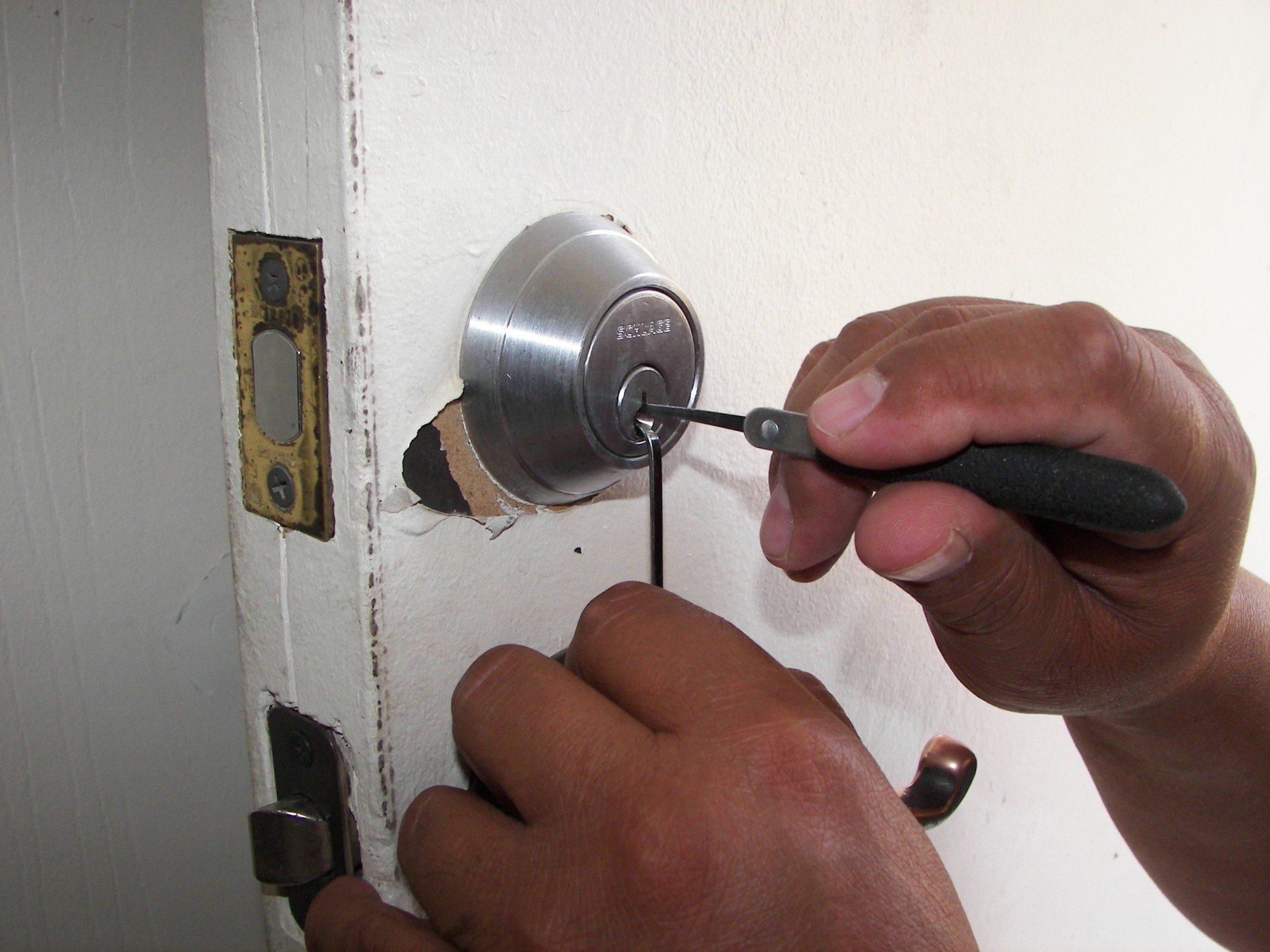 How to Choose an Experienced Locksmith for Your Security Needs
When it comes to securing your home or business, finding a reliable and experienced locksmith is paramount. With the growing need for enhanced safety measures, understanding the qualities that make a locksmith proficient can help you make informed decisions. Whether you need assistance with lock installation, repair, or emergency services, this guide will outline crucial factors to consider when selecting a locksmith.
One of the key aspects of an experienced locksmith is their qualifications and certifications. A reputable locksmith will possess the necessary training and certifications, which often include attending accredited locksmith schools, obtaining licenses, and being insured. This not only showcases their expertise but also provides you with peace of mind knowing that you’re hiring a professional who adheres to industry standards. It’s always beneficial to ask for these credentials before entrusting someone with your security needs.
Aside from qualifications, it’s essential to seek out a locksmith with a proven track record in the community. Experience counts, and a locksmith who has been in business for several years is likely to have honed their skills and built a solid reputation. Checking online reviews and testimonials from previous clients can give you insight into the locksmith’s reliability, responsiveness, and workmanship. Furthermore, personal recommendations can sometimes lead you to trustworthy professionals who have successfully served others in your area.
Moreover, a good locksmith should offer a wide range of services tailored to various security concerns. From residential locks and commercial locks to automotive locksmithing, the ability to handle multiple facets of locksmithing indicates versatility and competence. In addition, inquire about their availability; a locksmith who provides 24/7 emergency services can be invaluable, particularly during unexpected lockouts or urgent security breaches.
Lastly, it’s crucial to discuss pricing upfront to avoid any unpleasant surprises later on. Experienced locksmiths typically provide clear estimates or may offer a flat rate for specific services. Transparency in pricing is an indicator of a trustworthy locksmith; be cautious of those who hesitate to provide written quotes or whose rates seem suspiciously low, as they may compromise the quality of their work or your security.
In conclusion, choosing the right locksmith is a critical decision that directly impacts your safety and security. By seeking out an experienced professional with the right qualifications, a solid reputation, diverse services, and transparent pricing, you can ensure that your locksmithing needs are handled with care and expertise. Take the time to do your research, and you’ll find a locksmith who not only meets your immediate needs but also provides lasting peace of mind.
Getting Down To Basics with
Finding Ways To Keep Up With

